

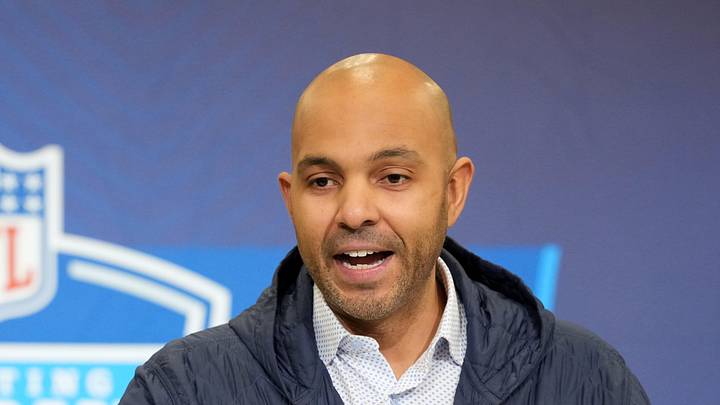
In their first offseason under a new regime, first-year GM Ian Cunningham and the Atlanta Falcons are making noticeable changes. They're finally rising the floor of a roster that already has the upside to be one of the best in the NFC, which is a major course correct since they lacked depth while Terry Fontenot was calling the shots.
While Matt Ryan and Kevin Stefanski are just as complicit in the Falcons' revamped vision, it's clear that Cunningham is head of the snake. Atlanta came just short of the playoffs in each of the last two seasons, so he realized that it shouldn't take sweeping changes to rewrite the narrative of this roster: just impactful ones
He's the one who made low-stakes, high-upside free agent signings despite the franchise's lack of cap space, and Cunningham managed to build on this foundation during the 2026 NFL Draft. And he's the main reason the future of the Dirty Birds looks to be brighter than it's been in quite some time.
The Falcons are finally adapting to the modern NFL with their new regime
As far as the Falcons go, their new draft class is indicative of the direction this regime wants to take the roster. Cunningham sought to add versatility, athleticism, and upside to this roster with all six picks they made in the 2026 Draft, and passed this test with flying colors given the circumstances.
In the 40-year-old's first draft as GM, Atlanta was forced to clean up the mess Fontenot left them. The Falcons entered draft weekend with no first-rounder and just five picks, so even though Cunningham entered the NFL Draft with his back against the wall, he brought his A-game with some amazing picks.
Starting with the 48th pick, they opted not to trade down and drafted Clemson cornerback Avieon Terrell. Reuniting with his brother is an awesome storyline, but isn't why they made this pick.. Terrell was a first-round talent who fell to Day 2 because of poor testing numbers despite having elite tape and the ability to play on the boundary or in the nickel.
Then at 79, they stayed local with Georgia WR Zachariah Branch. Not only is Branch the perfect Stefanski receiver, he'll offer this offense the explosiveness they need. And he'll operate as the primary return man, so his ability to break tackles and home-run ability will quickly come in handy.
At 122, they moved back to 134 and drafted Oklahoma LB Kendal Daniels. A converted safety with elite size and athleticism is precisely what this defense needs. This guy played a "cheetah" role for the Sooners' defense, so he and Divine Deablo will make plays all over the field for Jeff Ulbrich's defense.
With the extra pick they got from the Raiders, the Falcons bet on upside and athleticism with Washington DT Anterio Thompson at 208, gambled on talent and versatility to win out with LSU edge rusher Harold Perkins Jr. at 215. while Ohio State OT Ethan Onianwa's ability to play guard or tackle makes him an intriguing dart throw for Bill Callahan's OL at 231.
Basically every single player the Falcons drafted was drafted to play multiple roles and accomplish the goal of filling several needs with one pick, which is how most teams operate nowadays. The more you can do, the more valuable you are to a coaching staff, which is the new Super Bowl model. The Eagles and Ravens, two successful front offices where Cunningham got his start, use this model.
While Fontenot was scared of ruffling feathers or doing what needed to be done, it's become clear Cunningham's approach is the antithesis of that.
 Add us as a preferred source on Google